
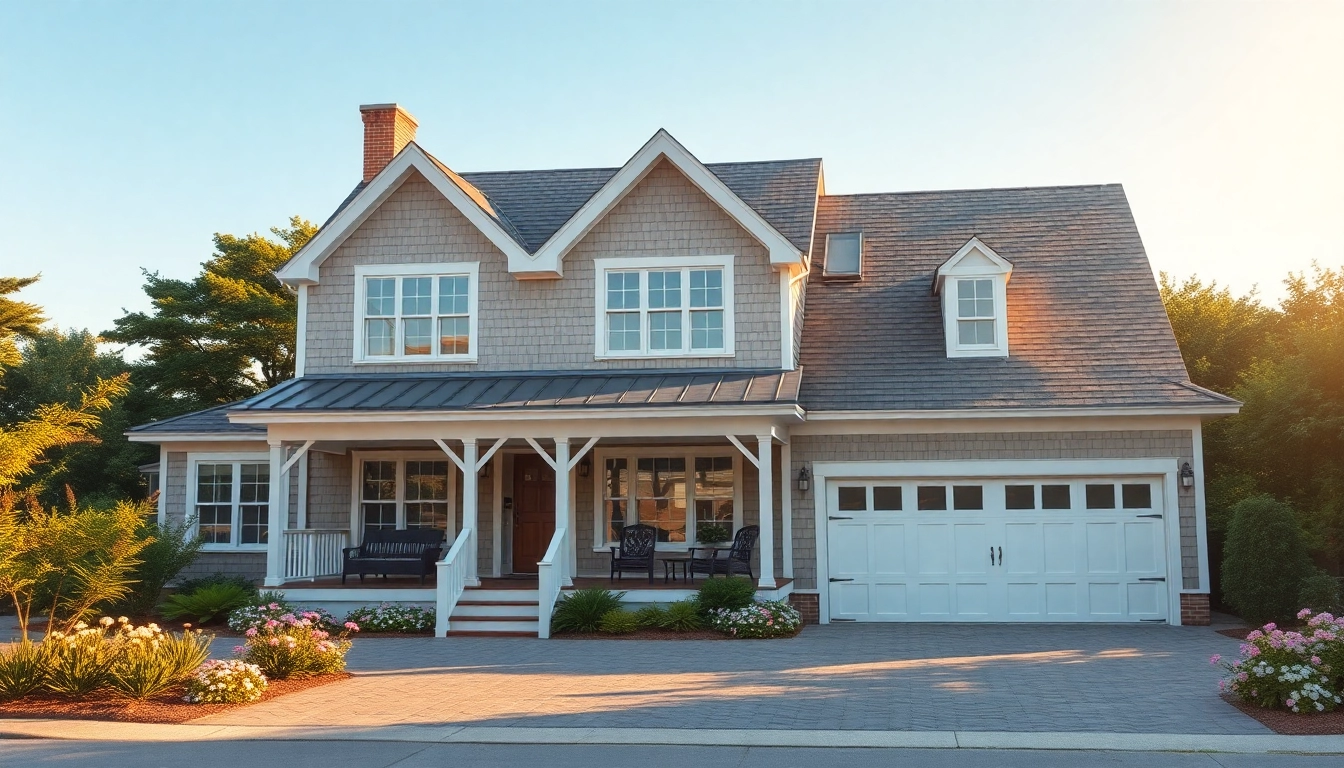
Understanding Cape Cod Homes
One of the most charming and historic architectural styles in the USA are the cape cod homes. With their roots tracing back to the colonial settlements in the 1600s, these homes represent a unique blend of practical design and aesthetic beauty that continues to resonate today. They offer a connection to America’s past while being perfectly suited for modern living.
History and Design Elements of Cape Cod Homes
Cape Cod homes began as a response to the challenging weather conditions of New England. Early settlers built simple, one-and-a-half-story structures, often with steep roofs to prevent snow accumulation. The design leaned heavily on functionality, reflecting the homes’ origins as practical havens against the elements. Typically, these homes are rectangular in shape and feature symmetrical facades, central chimneys, and double-hung windows adorned with shutters.
Key Features That Define Cape Cod Homes
Several defining characteristics make Cape Cod homes instantly recognizable:
- Steep Roofs: Designed to shed snow and rain efficiently, these roofs often feature dormers for additional living space.
- Wooden Clapboard Siding: Traditionally painted in muted hues, this siding gives Cape Cod homes their distinctive coastal appearance.
- Symmetrical Design: The central entrance is often flanked by evenly spaced windows, creating a balance that is aesthetically pleasing.
- Chimneys: Central chimneys are typical and historically provided warmth and comfort.
Modern Interpretations of Cape Cod Homes
While maintaining their classic charm, modern interpretations of Cape Cod homes often incorporate contemporary features to enhance livability. Open floor plans, larger windows for natural light, and energy-efficient materials are common upgrades that appeal to today’s homeowners. Additionally, many newer constructions bring eclectic influences into the mix, from coastal chic to minimalist styles, allowing for greater personalization without losing the essence of the traditional architecture.
Benefits of Expanding Your Cape Cod Home
Whether you’re looking for a little extra space for a growing family or a dedicated place for hobbies, expanding your Cape Cod home can yield numerous benefits that enhance both functionality and enjoyment of your living environment.
Added Space and Functionality with an Attached Garage
One of the most appealing options for home expansion is adding an attached garage. This addition can serve multiple purposes – from housing vehicles and bicycles to providing extra storage for tools and recreational equipment. Moreover, an attached garage can streamline your daily routine, offering easy access to your home, especially during inclement weather.
Enhancing Curb Appeal and Value
Expanding your Cape Cod home with an attached garage can significantly boost its curb appeal. A beautifully designed garage that complements the architecture of the home enhances the entire property’s aesthetic. Furthermore, home expansions often contribute to an increase in property value, as buyers frequently see attached garages as a desirable feature, equating them to enhanced convenience and functionality.
Addressing Family Needs with Home Expansion
As family dynamics change, so do housing needs. An expansion can provide dedicated spaces for growing children, home offices, or libraries. Customizing these expansions to cater to your family’s current lifestyle ensures you maximize your investment while creating a home that adapitates to your changing needs.
Planning Your Cape Cod Home Expansion
Approaching a home expansion thoughtfully and strategically can lead to an outcome that beautifully melds with your existing architectural style while meeting your functional requirements. Planning is crucial and should encompass several key considerations.
Assessing Your Current Space and Needs
Start by conducting a thorough assessment of your current space. What functions well, and what doesn’t? Are there areas that feel cramped, or do you lack certain spaces entirely? Drafting a list of must-haves versus nice-to-haves can help you prioritize your expansion project. Engaging with family members can provide additional insights into specific requirements, ensuring that the final design meets everyone’s expectations.
Selecting Design Features for Your Expansion
A seamless integration of your new space with your existing home is essential for maintaining aesthetic coherence. For a Cape Cod home, consider continuing the shingle siding or using similar color palettes. Architectural elements, such as dormer windows or pitched roofs, can contribute to an effortlessly cohesive design. Exploring sustainable materials can also boost energy efficiency while respecting traditional aesthetics.
Hiring the Right Professionals for Your Project
Successful expansions often hinge on the expertise of skilled professionals. Start by consulting an architect who specializes in residential design, particularly in Cape Cod homes. Their insights will be invaluable in ensuring your expanded space is functional and maintaining the architectural integrity of your existing home. Additionally, be sure to hire a licensed contractor with experience in home additions to navigate the construction process smoothly.
Implementation Steps for Adding an Attached Garage
Once you’ve planned your project, it’s time to move into the implementation phase. Each step must be meticulously executed to ensure the expansion is completed on time and within budget.
Permitting and Regulations for Home Expansion
Before breaking ground, it’s crucial to navigate the often-complicated landscape of permitting and zoning regulations. Generally, you’ll need to acquire zoning and building permits specific to your locality. Understanding any setbacks or height restrictions applicable to your property is essential to avoid fines or construction halts during your project.
Construction Timeline and Management
Creating a detailed construction timeline will help keep your project on track. This timeline should outline each phase of the construction process, including demolition (if necessary), foundation work, framing, and finish work. Regular communication with your contractor will be paramount, leading to swift resolutions of any issues that may arise during the construction process.
Finishing Touches and Landscaping Tips
Once the heavy construction is complete, don’t overlook the importance of the finishing touches. A well-executed landscaping plan can add significantly to the aesthetic appeal of your new garage and home expansion. Consider planting flowering shrubs or trees that echo the natural landscape, which will also enhance curb appeal. Outdoor lighting options can further elevate the aesthetics by highlighting architectural features and ensuring safety during nighttime hours.
FAQs about Expanding Cape Cod Homes
What are the costs involved in expanding a cape cod home?
The costs can vary greatly depending on the size of the expansion and materials, generally ranging from $20,000 to over $100,000.
Can I add a second story to my cape cod home?
Yes, adding a second story can enhance space but requires structural expertise to ensure safety and architectural integrity.
What permits are needed for home expansion?
You typically need zoning and building permits, which differ by location. Always check with your local municipality.
How can an attached garage improve my home’s value?
An attached garage adds convenience and curb appeal, often increasing resale value by 10-20%, making it a solid investment.
What design styles work best for a cape cod home expansion?
Maintaining the original architectural elements is key. Styles like shingle and colonial designs work exceptionally well.