
The Evolution of Glass Cutting Technology
Glass cutting has undergone a remarkable transformation from rudimentary hand tools to sophisticated CNC machines that enhance precision and efficiency. Understanding this evolution not only highlights the advancements in the technology but also showcases how manufacturers like Zhengke Automation continue to push the envelope in glass processing solutions. This article will delve into the historical developments of CNC (Computer Numerical Control) technology in glass cutting, key innovations in the machinery, and what the future holds for this vital industry.
Historic Developments in CNC Glass Cutting
The history of glass cutting dates back thousands of years, but the introduction of CNC technology in the late 20th century marked a vital turning point. Initially, glass was cut using simple scoring tools, which often resulted in uneven edges and wastage. The advent of CNC technology allowed for more complex and precise cuts, reducing material waste and increasing production speed. This evolution paved the way for modern glass cutting practices, where computers control the machinery, enabling intricate designs that were once unattainable.
Key Innovations in Glass Cutting Machines
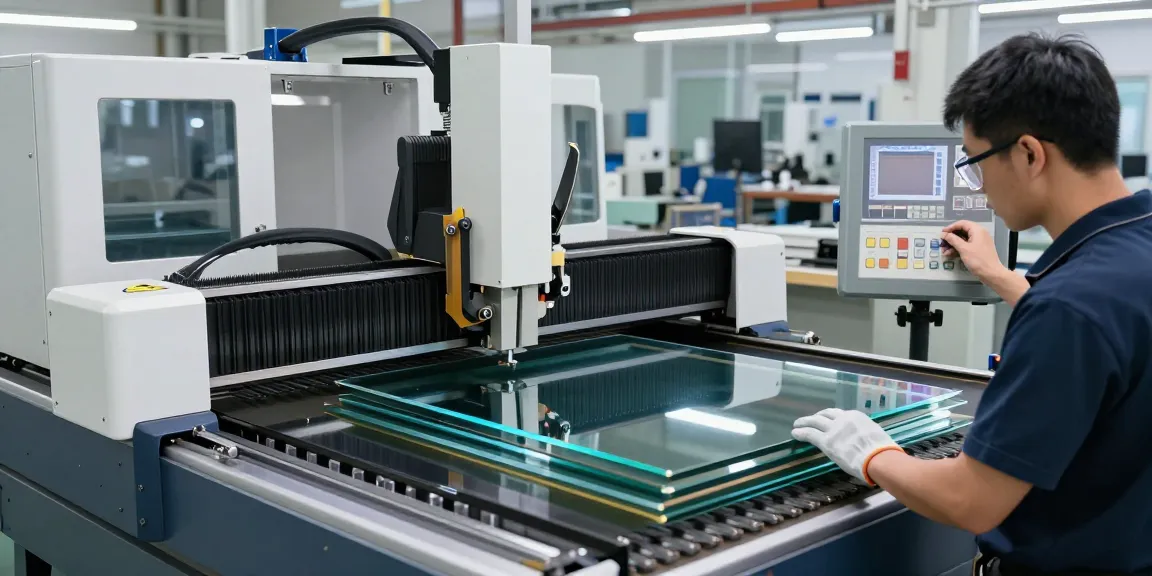
Modern CNC glass cutting machines are equipped with various advanced features such as automated loading tables, laser cutting capabilities, and software for design and optimization. For example, machines like the glass cutting machine cnc from Zhengke combine precision cutting with automation, allowing manufacturers to achieve high-quality results with minimal human intervention. Innovations such as these have transformed the workflow in glass manufacturing industries, significantly reducing cycle times and improving overall efficiency.
Future Trends in CNC Technology for Glass Processing
The future of CNC technology in glass processing appears promising with trends leaning towards automation and artificial intelligence. Upcoming machines are expected to incorporate real-time data analytics for predictive maintenance and performance optimization. Additionally, the integration of IoT (Internet of Things) will enable machines to communicate with each other, facilitating an even more streamlined production environment.
Understanding CNC Glass Cutting Machines
CNC glass cutting machines have redefined glass processing by offering unparalleled accuracy and speed. These machines operate based on pre-programmed software designs, allowing for consistent results across multiple production runs. Understanding the mechanics behind these machines is crucial for businesses seeking to enhance their production capabilities and reduce operational costs.
What is a Glass Cutting Machine CNC?
A glass cutting machine CNC is a specialized device that uses computer-controlled processes to score and cut glass materials. Unlike traditional glass cutting methods that rely heavily on manual labor, CNC machines automate the cutting process, significantly enhancing productivity and accuracy. This technology is essential for businesses that require high volumes of glass production, where precision is paramount.
Components and Features of Modern CNC Machines
- Controller: The brain of the CNC machine, which interprets commands from the software.
- Cutting Tools: Various tools are used depending on the type of cut needed, from diamond blades to laser cutters.
- Worktable: Designed to hold the glass securely during the cutting process.
- Software: Enables programming of cutting patterns and automation tasks, enhancing operational efficiency.
How CNC Glass Cutters Improve Efficiency
CNC glass cutters significantly improve the efficiency of glass processing through automation and precision. By minimizing manual intervention, these machines reduce the likelihood of human error, leading to higher product quality. Furthermore, the ability to run multiple machines simultaneously allows manufacturers to increase output without sacrificing quality. As a result, businesses can meet growing demand while maintaining competitive pricing.
Choosing the Right CNC Glass Cutting Equipment
Selecting the appropriate CNC glass cutting equipment is crucial for optimizing production and ensuring that the needs of the business are met effectively. Several factors should be considered when making this decision, including machine capabilities, support from the manufacturer, and the long-term implications for maintenance and training.
Factors to Consider When Buying a Glass Cutting Machine CNC
- Type of Glass: Different cutting machines are better suited for various types of glass, including float, tempered, and laminated glass.
- Production Volume: Assess the production needs to determine if a semi-automatic or fully automatic machine is required.
- Technological Features: Look for features such as automated loading and unloading systems, software capabilities, and cutting precision.
- Budget: Consider not only the upfront cost but also the long-term operational costs, including maintenance and potential upgrades.
Comparing Different Types of CNC Glass Cutting Machines
There are several types of CNC glass cutting machines available, each designed for specific tasks and types of glass. These include:
- Automatic Glass Cutting Machines: Ideal for large production runs, these machines offer speed and precision.
- Semi-Automatic Glass Cutting Machines: These require some manual operation, making them suitable for smaller workshops.
- Laser Cutting Machines: Utilize high-powered lasers for extremely precise cuts, perfect for intricate designs.
Expert Recommendations for Top Brands and Models
Choosing a reputable brand is essential for ensuring quality and durability. Some of the top manufacturers in the CNC glass cutting market include Zhengke, GLASSLINE, and CMS Machinery. Each brand offers various models tailored to meet specific glass cutting needs, from high-volume production to specialized tasks.
Best Practices for Operating CNC Glass Cutting Machines
To maximize the benefits of CNC glass cutting machines, it’s essential to follow best practices for operation and maintenance. This ensures longevity and optimal performance, aligning with production goals and budget constraints.
Setting Up and Calibrating Your CNC Glass Cutter
Proper setup and calibration are vital for achieving the best cutting results. It includes ensuring the machine is leveled correctly, setting the appropriate cutting parameters in the software, and running test cuts to fine-tune performance. Regular maintenance checks can also prevent potential issues during production.
Safety Tips for Operators in Glass Processing
Safety should always be a priority in glass processing environments. Operators should be trained in using protective gear, understanding machine safety features, and adhering to standard operating procedures. Regular safety audits can help maintain a safe working environment.
Maximizing Output and Reducing Waste
To maximize output and minimize waste, operators should regularly review cutting plans for optimization. This may involve adjusting layouts to minimize scrap glass or optimizing cutting speeds and feeds to enhance efficiency without compromising safety or quality.
Case Studies and Real-World Applications
Real-world applications of CNC glass cutting technology provide valuable insights into its effectiveness and versatility across different industries. By examining case studies, manufacturers can learn from the successes and challenges of others.
Successful Implementations of CNC Glass Cutting Machines
Numerous companies have successfully integrated CNC glass cutting machines into their operations, achieving significant improvements in production efficiency and product quality. For instance, a glass manufacturing company in Europe reported a 30% increase in productivity after switching to an automated CNC cutting system from Zhengke.
Impact on Production Efficiency and Profitability
The integration of CNC glass cutting machines not only enhances production efficiency but also positively impacts profitability. By reducing waste and increasing production speeds, companies can meet customer demands more effectively while also reducing operational costs.
Lessons Learned from Leading Glass Manufacturers
Leading glass manufacturers emphasize the importance of ongoing training and adaptation to new technologies. Those that invest in the continuous improvement of their workforce and equipment see the best results in operational efficiency.
What are the maintenance requirements for CNC glass cutting machines?
Regular maintenance is crucial for the longevity of CNC glass cutting machines. This typically includes routine cleaning, lubrication of moving parts, calibration checks, and software updates. A comprehensive maintenance schedule can prevent costly breakdowns and ensure consistent performance.
Can CNC glass cutting machines handle intricate designs?
Yes, modern CNC glass cutting machines are specifically designed to handle intricate designs with precision. Features like laser cutting and advanced software capabilities allow for complex shapes and detailed patterns, making them ideal for high-end applications.
How does CNC glass cutting technology compare to traditional methods?
CNC glass cutting technology offers significant advantages over traditional methods, including higher precision, faster production rates, and reduced waste. Unlike manual cutting, which can be labor-intensive and prone to errors, CNC machines provide consistent quality with minimal human intervention.
What should I look for in a CNC glass cutting machine supplier?
When selecting a CNC glass cutting machine supplier, consider their reputation, customer support, warranty options, and the availability of spare parts. Additionally, evaluate their expertise in the glass processing industry and their ability to offer after-sales support.
Are there specific materials compatible with CNC glass cutting machines?
CNC glass cutting machines are primarily designed for various types of glass, including float glass, tempered glass, and laminated glass. However, many modern machines can also handle materials like acrylic and some composites when equipped with the appropriate cutting tools.

