
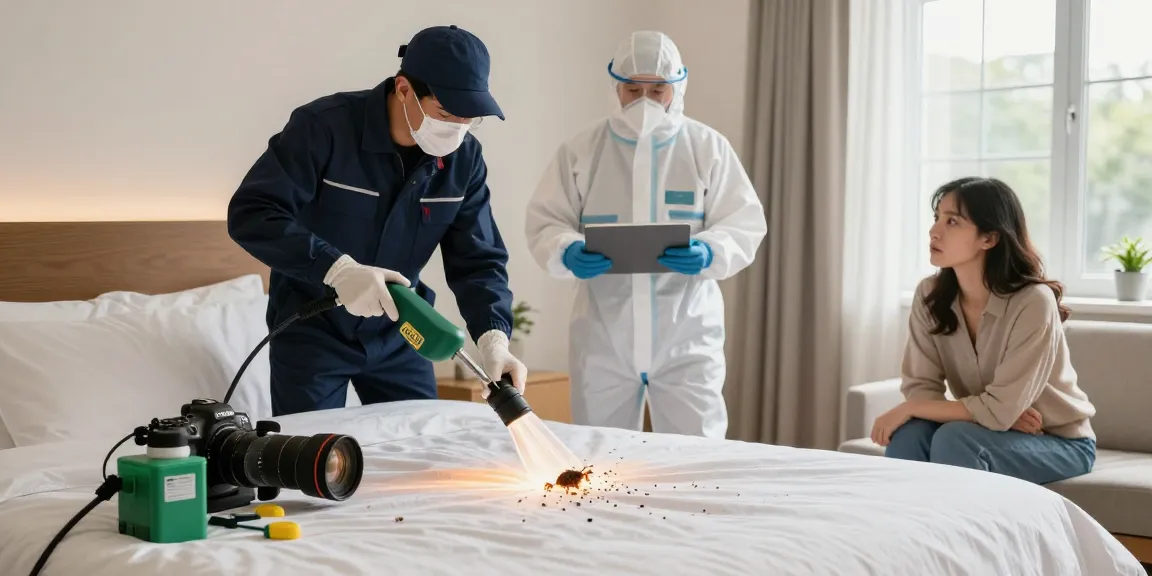
Understanding Bed Bug Heat Treatment
As bed bug infestations become increasingly common in urban areas, many homeowners are searching for effective methods to eradicate these persistent pests. bed bug heat treatment has emerged as a popular choice due to its eco-friendly approach and effectiveness at targeting all life stages of bed bugs. This comprehensive guide aims to illuminate the ins and outs of bed bug heat treatment, helping you make informed decisions in your battle against these unwelcome invaders.
What is Bed Bug Heat Treatment?
Bed bug heat treatment is a specialized process that utilizes high temperatures to eliminate bed bugs and their eggs. The method typically involves raising the temperature in an infested area to between 125°F to 140°F (51°C to 60°C). This temperature is sufficient to kill bed bugs, including eggs and larvae, which are often more resistant to other forms of pest control. The treatment is generally conducted by professional exterminators who are equipped with specialized heating equipment that evenly distributes heat throughout your home.
How Heat Treatment Works Against Bed Bugs
The science behind heat treatment is straightforward yet powerful. Bed bugs are ectothermic organisms, meaning their body temperature is regulated by their environment. When exposed to high temperatures, their cellular functions begin to fail, leading to mortality. The process requires careful monitoring to ensure that the temperature is consistent and sustained long enough to affect all life stages, which typically takes about 90 minutes to two hours.
Benefits of Choosing Heat Treatment
- Effective Against All Life Stages: Unlike traditional pesticides, heat treatment targets bed bugs at every development stage, including eggs, which are notoriously hard to reach.
- Eco-Friendly Solution: Heat treatment is chemical-free, making it a great option for families with children and pets.
- Minimal Preparation Required: While some items need to be removed from the treatment area, heat treatment usually requires less prep than chemical methods.
- Quick Results: Many clients see immediate results after treatment, reducing anxiety about prolonged infestations.
- Long-Lasting Effects: The heat not only eliminates existing bed bugs but also deters new ones, making your environment less conducive to future infestations.
Preparing for Heat Treatment
Steps to Prepare Your Home
Preparation is key to the success of any pest control method, and heat treatment is no exception. Here are steps to prepare your home:
- Clear the Area: Remove any items that could obstruct heat flow, including furniture, curtains, and other belongings.
- Increase Air Circulation: Open closets and drawers to allow heat to penetrate every nook and cranny.
- Address Potential Fire Hazards: Remove any flammable items such as paper, candles, and cleaning supplies from the treatment area.
- Check for Electronics: Unplug electronics to prevent damage, as some devices may not withstand high temperatures.
Common Misconceptions About Preparation
Many homeowners have misconceptions about the preparation needed for heat treatment. For instance, some believe that they must vacuum extensively before treatment. While cleaning is helpful for removing debris, thorough vacuuming is not necessary and could potentially spread bed bugs to other areas. Just focus on removing any items that could block the heat from reaching infested areas.
What to Expect on Treatment Day
On the day of your scheduled treatment, a team of professional exterminators will arrive to set up the heat treatment equipment. They will place heaters strategically throughout the area to achieve the desired temperature. It’s essential that you and your pets leave the premises during the treatment process. The entire procedure typically lasts several hours, after which you will be notified that it’s safe to return.
Post-Treatment Care
How to Maintain a Bed Bug-Free Environment
After your home has undergone heat treatment, maintaining a bed bug-free environment is crucial. Here are some tips to help prevent re-infestation:
- Regular Inspections: Frequently check your bedding, furniture, and other common hiding spots for any signs of reinfestation.
- Limit Second-Hand Items: Be cautious when bringing used furniture, bedding, or clothing into your home, as these can harbor bed bugs.
- Seal Cracks and Crevices: Use caulk to seal any gaps in your walls, floors, and furniture to minimize the places where bed bugs can hide.
Signs of a Successful Treatment
It’s important to monitor your space for signs of successful treatment. Look out for:
- No longer experiencing bites or itching.
- Absence of live bed bugs or eggs when inspecting your living space.
- No new blood stains or dark spots (fecal matter) on your bedding.
When to Schedule Follow-Up Services
Even after undergoing heat treatment, it may be advisable to schedule follow-up services to ensure complete eradication. If you notice any signs of bed bugs reappearing or if you suspect that you may have introduced them back into your home, don’t hesitate to contact your exterminator for a follow-up inspection.
Cost Analysis of Bed Bug Heat Treatment
Average Costs and Factors Influencing Pricing
The cost of bed bug heat treatment can vary significantly depending on several factors, including the severity of the infestation, the size of the area being treated, and the company you choose. On average, homeowners can expect to pay between $1,500 and $2,500 for a comprehensive heat treatment. However, this cost may be influenced by:
- Location: Treatment costs can vary regionally.
- Extent of Infestation: More severe infestations require more time and resources, increasing the price.
- Additional Treatments: If chemical treatments are also applied, this will add to the overall cost.
Comparing Heat Treatment with Other Methods
While heat treatment is effective, it’s vital to compare it with other extermination methods. Chemical treatments, for example, tend to be cheaper upfront but may require multiple visits and thorough preparation. Heat treatments, although initially more costly, provide immediate results and may prevent future infestations, potentially saving money in the long run.
How to Get the Best Value for Your Investment
To maximize your investment in bed bug extermination, consider the following strategies:
- Research and compare multiple extermination companies to find one with a solid reputation and transparent pricing.
- Look for companies offering warranties or guarantees on their services.
- Ask about combined treatment options; sometimes, a combination of methods can prove more effective and economical.
Future Trends in Bed Bug Extermination
Innovations in Bed Bug Treatment Technologies
As pest control technology continues to advance, we can expect to see numerous innovations in bed bug extermination. New developments in thermal technologies, such as infrared heating systems, are being explored to provide even more effective heat treatment solutions. Additionally, the integration of smart technology can help automate monitoring for pest control, making treatments more accessible.
Predictions for Bed Bug Control in 2026
By 2026, pest control experts predict a shift towards more sustainable and eco-friendly pest control methods. This will likely include a greater reliance on heat treatments and less dependence on chemical sprays, reflecting a growing consumer demand for environmentally conscious solutions. As bed bugs continue to evolve, new approaches will be essential to stay ahead in the fight against these pests.
Expert Insights on Emerging Methods and Practices
Industry experts emphasize the importance of education and ongoing training for pest control professionals. Continuous learning will help exterminators stay abreast of the latest developments and techniques in bed bug control. As community awareness grows, proactive measures and early detection practices are likely to become integral parts of pest management strategies.
What Questions Should You Ask Your Exterminator?
When selecting an exterminator for heat treatment, consider asking the following questions:
- What is your experience with heat treatment for bed bugs?
- Can you provide references from previous clients?
- What kind of training do your technicians receive?
- What is included in your service warranty?
Are DIY Heat Treatments Effective?
While DIY methods for heat treatment exist, they often lack the efficacy and safety that professional services offer. Attempting to carry out heat treatment without specialized equipment can result in inadequate temperatures that fail to kill bed bugs, as well as potential fire hazards. For best results, hiring a trained professional is recommended.
How to Identify Bed Bug Infestations Early?
Early detection is crucial in managing bed bug infestations. Look for the following signs:
- Visible bed bugs or eggs in seams of mattresses and bedding.
- Small blood stains on sheets, indicating feeding.
- Dark spots of fecal matter on bedding or furniture.
What Are the Long-Term Effects of Heat Treatment?
One of the greatest advantages of heat treatment is its long-term effectiveness. When conducted properly, it eliminates all life stages of bed bugs, significantly reducing the likelihood of future infestations. Moreover, heat treatment contributes to a healthier indoor environment by also eliminating allergens like dust mites.