Understanding the 18k BTU Mini Split System
The 18k btu mini split system has emerged as a popular choice for cooling and heating residential and commercial spaces. Designed for efficiency, these systems utilize advanced technologies to control indoor climates effectively. With their ability to deliver powerful heating and cooling performance while minimizing energy consumption, they cater to a growing demand for more sustainable living solutions. This article delves into the various aspects of 18k BTU mini split systems, including their advantages, comparative analyses with traditional HVAC systems, and insights into proper sizing and installation.
What is the 18k BTU Mini Split System?
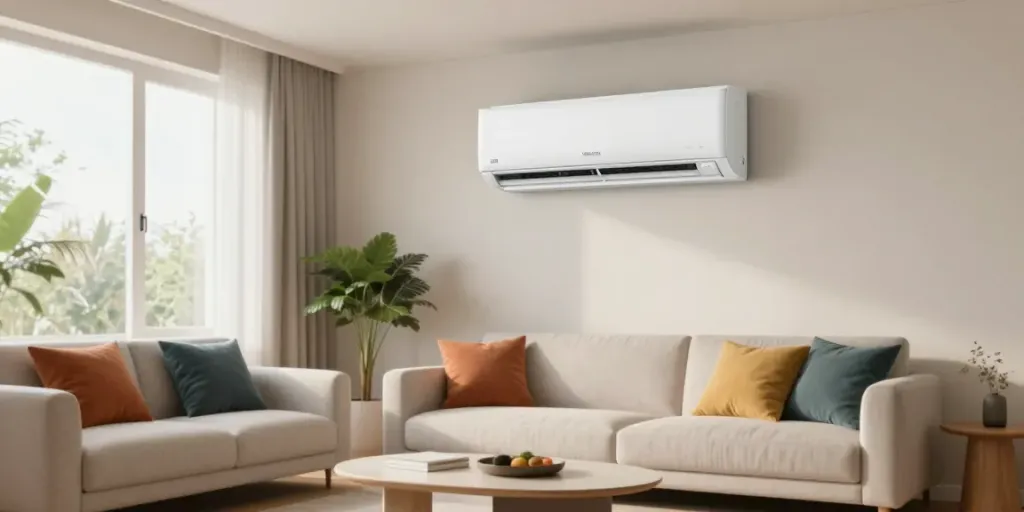
An 18k BTU mini split system is a ductless air conditioning and heating system that operates using a wall-mounted indoor unit connected to an outdoor condenser. The system is rated at 18,000 BTUs (British Thermal Units), indicating its cooling and heating capacity. These systems are particularly effective in spaces ranging from 550 to 1,000 square feet, making them versatile for various applications, including living rooms, master suites, and larger garages.
Advantages of Using an 18k BTU Mini Split
- Energy Efficiency: Mini splits utilize inverter technology, allowing them to adjust their cooling or heating output based on the exact needs of the space, thus consuming less energy.
- Space-Saving Design: With no need for ductwork, mini splits eliminate the space used by traditional HVAC systems, providing greater flexibility for interior design.
- Easy Installation: Installing a mini split is relatively straightforward when compared to traditional systems, often requiring only a small hole for the refrigerant line.
- Improved Indoor Air Quality: Ductless systems do not rely on ducts, which can accumulate dust and allergens; this leads to cleaner air and better health outcomes.
How 18k BTU Mini Splits Compare to Traditional HVAC Systems
Unlike traditional HVAC systems, which use ductwork to distribute air, mini splits provide targeted heating and cooling to specific zones. As a result, they are often more efficient for both cooling and heating than central air conditioning systems. This zoned control allows homeowners to set different temperatures for different rooms, leading to substantial energy savings. Moreover, mini splits have fewer moving parts than conventional systems, translating into lower maintenance requirements and longer life expectancy.
Choosing the Right Size and Configuration
How Many Square Feet Can an 18k BTU Mini Split Cover?
The capacity of an 18k BTU mini split makes it suitable for spaces ranging from 550 to 1,000 square feet, depending on several factors such as ceiling height, insulation, and sunlight exposure. For optimal performance, it is crucial to conduct a thorough assessment of your space before making a purchase. Underestimating or overestimating BTU requirements can lead to discomfort or increased energy costs.
Single Zone vs. Multi-Zone Configurations
When considering an 18k BTU mini split, homeowners can choose between single-zone and multi-zone configurations. A single-zone system is ideal for smaller areas, while a multi-zone system allows for multiple indoor units to connect to a single outdoor unit, capable of cooling or heating several rooms simultaneously. This flexibility makes multi-zone systems particularly appealing for larger homes or open-plan spaces.
Factors Affecting BTU Requirements for Your Space
Several factors influence the required capacity of a mini split system, including:
- Insulation quality: Well-insulated spaces retain temperature better and may require a lower BTU capacity.
- Room orientation: South-facing rooms often require more cooling due to increased sun exposure.
- Ceiling height: Higher ceilings might necessitate a larger BTU capacity to maintain comfort levels.
- Usage: Rooms that generate more heat, such as kitchens, will need more cooling capacity.
Installation Essentials for Optimal Performance
DIY Installation vs. Professional Help for 18k BTU Mini Splits
While many homeowners may consider DIY installation for an 18k BTU mini split due to its simplified setup, seeking professional help is often advisable. Professionals ensure that the system is installed correctly, optimizing efficiency and performance while also adhering to local building codes. Furthermore, professional installation often includes warranties and support, providing peace of mind.
Common Installation Mistakes to Avoid
- Improper sizing: Choosing a unit that is too small or too large can lead to inefficiencies.
- Poor placement: Installing the indoor unit in a location with obstructions or away from airflow can diminish comfort levels.
- Ignoring local codes: Failing to comply with installation regulations can result in fines or system failure.
Essential Tools and Materials Needed
For successful installation, ensure you have the following tools and materials:
- Drill and drill bits
- Level
- Pipe wrenches
- Refrigerant lines
- Electrical wiring kits
Maintenance and Care for Longevity
Regular Maintenance Tasks for Your Mini Split System
To ensure optimal performance of your 18k BTU mini split, regular maintenance is critical. Recommended tasks include:
- Cleaning or replacing filters monthly to maintain airflow and efficiency.
- Checking the condensate drain for blockages to prevent water damage.
- Inspecting outdoor units for debris and ensuring unobstructed airflow.
Signs That Your 18k BTU Mini Split Needs Repair
Be vigilant for the following signs that may indicate your system needs repair:
- Inconsistent temperatures across different rooms.
- Strange noises during operation.
- Unusual odors from the unit.
- Increased energy bills without a change in usage.
Seasonal Tips for Preparing Your Mini Split for Operation
Before switching from heating to cooling or vice versa, conduct a seasonal check-up of your mini split system. This includes cleaning filters, inspecting insulation, and ensuring that the outdoor unit is free from debris. Such proactive measures help prevent breakdowns during peak usage times.
Future Trends in Mini Split Technology
Energy Efficiency Improvements on the Horizon
The HVAC industry is continuously evolving, with energy efficiency remaining a top priority. Future iterations of 18k BTU mini splits are expected to incorporate advanced refrigerants that minimize environmental impact while enhancing cooling capabilities. Manufacturers are likely to push for even higher SEER (Seasonal Energy Efficiency Ratio) ratings, contributing to lower energy costs for consumers.
Smart Technology Integration with 18k BTU Mini Splits
Integration of smart technology is another trend shaping the future of mini splits. Expect to see more models equipped with Wi-Fi capabilities that enable temperature control and diagnostics through smartphone applications. These advancements not only offer convenience but also allow homeowners to monitor and optimize energy use in real-time.
Expected Innovations in HVAC Systems by 2026
As we approach 2026, the HVAC sector will likely witness innovations such as solar-assisted mini splits and enhanced inverter technologies. These developments aim to create systems that blend traditional energy sources with renewable options, thereby ensuring a more sustainable approach to climate control.
Frequently Asked Questions
How many sq ft will an 18k BTU mini split cool?
An 18k BTU mini split can effectively cool spaces ranging from 550 to 1,000 square feet, making it suitable for various room sizes and configurations.
What is the cheapest 18,000 BTU mini split air conditioner?
Pricing for 18,000 BTU mini splits varies based on brand and features, but economical options can often be found starting around $1,200. Researching reputable brands and comparing models is advisable to find the best value.
How much does an 18k BTU mini split cover?
The coverage area for an 18k BTU mini split typically ranges from 550 to 1,000 sq ft, depending on factors such as room layout, insulation, and occupancy levels.
How much does an 18,000 BTU mini split cost to run?
The operational cost of running an 18,000 BTU mini split will depend on local electricity rates, usage patterns, and energy efficiency ratings. Homeowners should expect an average monthly cost of around $100, but this can vary widely based on specific factors.